Q1. What is the difference between an 'application' and a computer-based information systems?
An application is a software that is specified for a specific task. For example Adobe Photoshop is an application specified for editing photographs. A computer-based information system is a broader term that encompasses the hardware of the computer, the software, the databases, the internet the system is connected to, the network, the people involved with the network and the procedures.
Q2. What are strategic information systems?
A strategic information system (or SIS) is a system that deals with problems and problems and helps with decision making. A SIS creates a faster more efficient response to changes in the environment.
Q3. According to Porter, what are the five forces that could endanger a firm’s position in its industry or marketplaces?
the five forces that endanger a firm's position in the market place, according to Porter, are:
1-the entry of new competitors
2-the threat of substitutes for the product/service
3-the bargaining influence/ power of buyers (usually is influenced by number of buyers)
4-the bargaining influence/power of sellers (again is usually influenced by the number of sellers)
5-rivalry among the existing competitors. (ie. driving the prices down, or price wars)
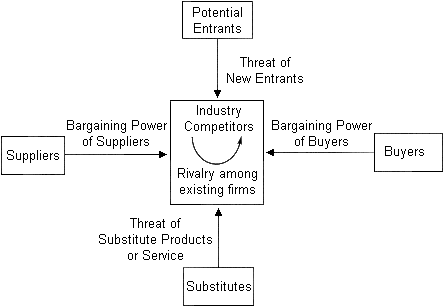 http://www.valuebasedmanagement.net/methods_porter_five_forces.html
Q4. In relation to Porter's value chain model, what is meant by primary activities and support activities, and how does IT support these activities?
The main concept of Primary activities is that they are the main phases that are used to create the product and distribute it to customers. The support activities refers to the resources used to assist the functioning of the primary activities. IT supports this by keeping measure of statistics, communication with subsidiaries and recording and transacting in the procedures.
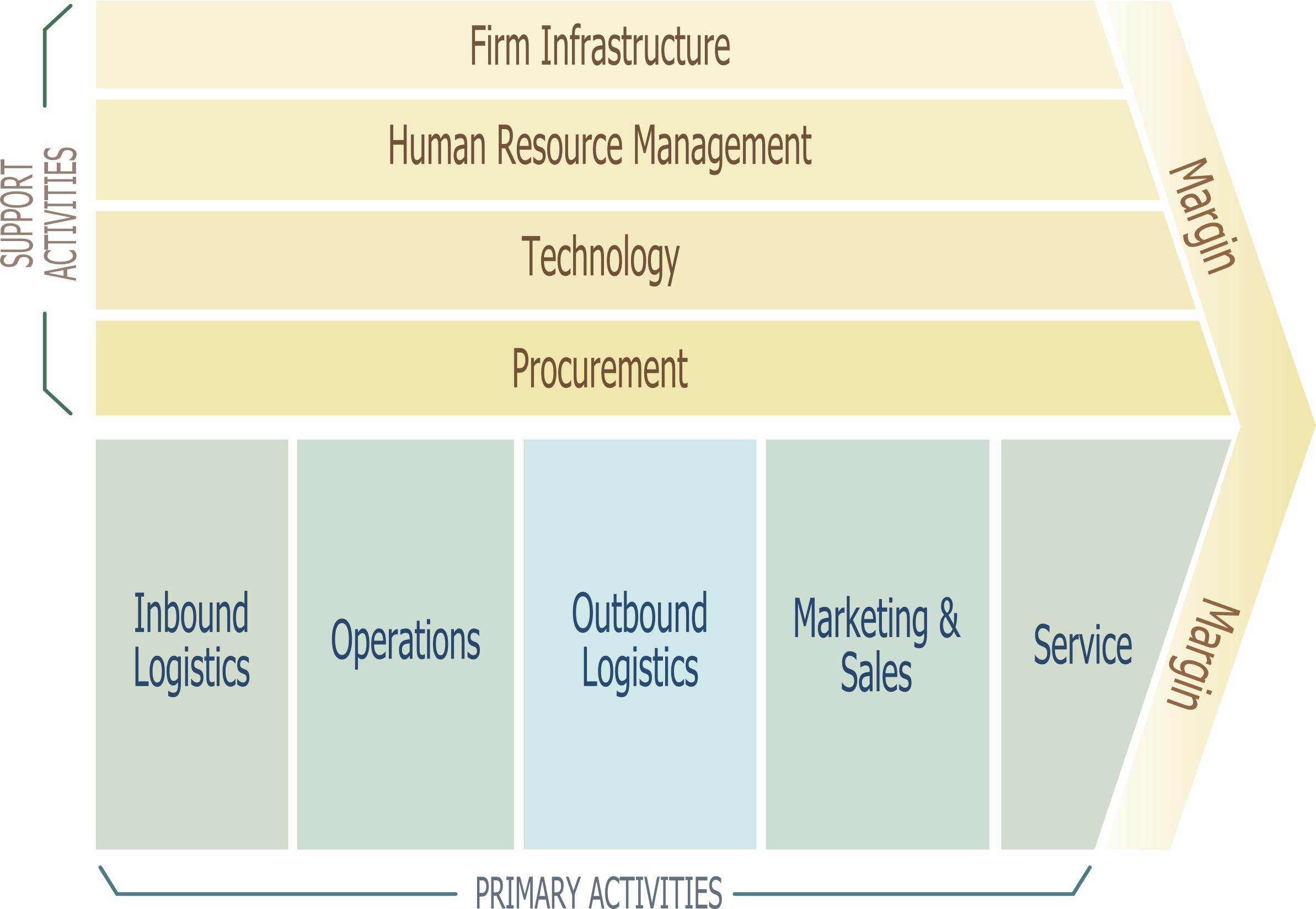 http://upload.wikimedia.org/wikipedia/commons/7/70/Porter_Value_Chain.png
Q5. Discuss the logic of building information systems in accordance with the organizational hierarchical structure.
The logic of building a information system in accordance with the organizational hierarchical structure is that members of higher management have access and authority to certain sections and parts of the IT system. This can be created using passwords and security key codes.
Q6. How has the Internet affected each of the five forces in Porter’s competitive forces model.
1-the entry of new competitors - the internet has enabled new competitors to broadcast and advertise to make their entrance into the market more easier, it also enables them to sell their products without the need of retail.
2-the threat of substitutes for the product/service - the internet has allowed communication of information more viable and accessible, thus allowing more consumer knowledge of alternate substitutes.
3-the bargaining influence/ power of buyers - Internet marketing has enabled a globalized market allowing consumers from different nations buying resources from other nations which can cause shortages of resources.
4-the bargaining influence/power of sellers - the internet allows easier access of more aggressive competitors that can lead to price wars and the removal of less competitive sellers from the market.
5-rivalry among the existing competitors - the internet has lead to a more efficient, faster knowledge of competitors pricing, thus, causing a more immediate response to competition and thus more aggressive price wars and rivalry.

No comments:
Post a Comment